In Oteen/East Asheville, Cocula Mexican Restaurant has long been more than a place to eat. For 23 years, it served as a steady, familiar presence along a corridor that has gradually evolved with the city’s growth. Families returned week after week, and for many — including my own — it became part of the rhythm of daily life. When my daughter lived nearby, Cocula was her go-to spot, a dependable place that felt both casual and rooted.
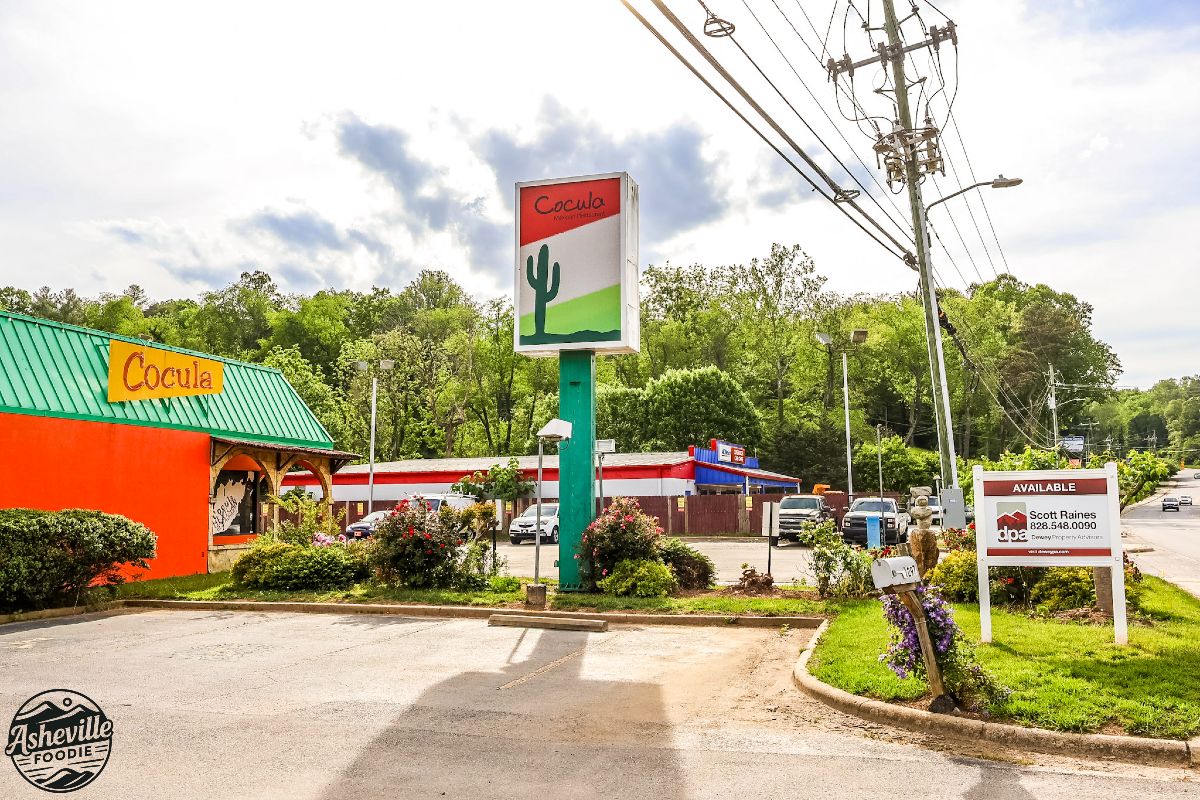
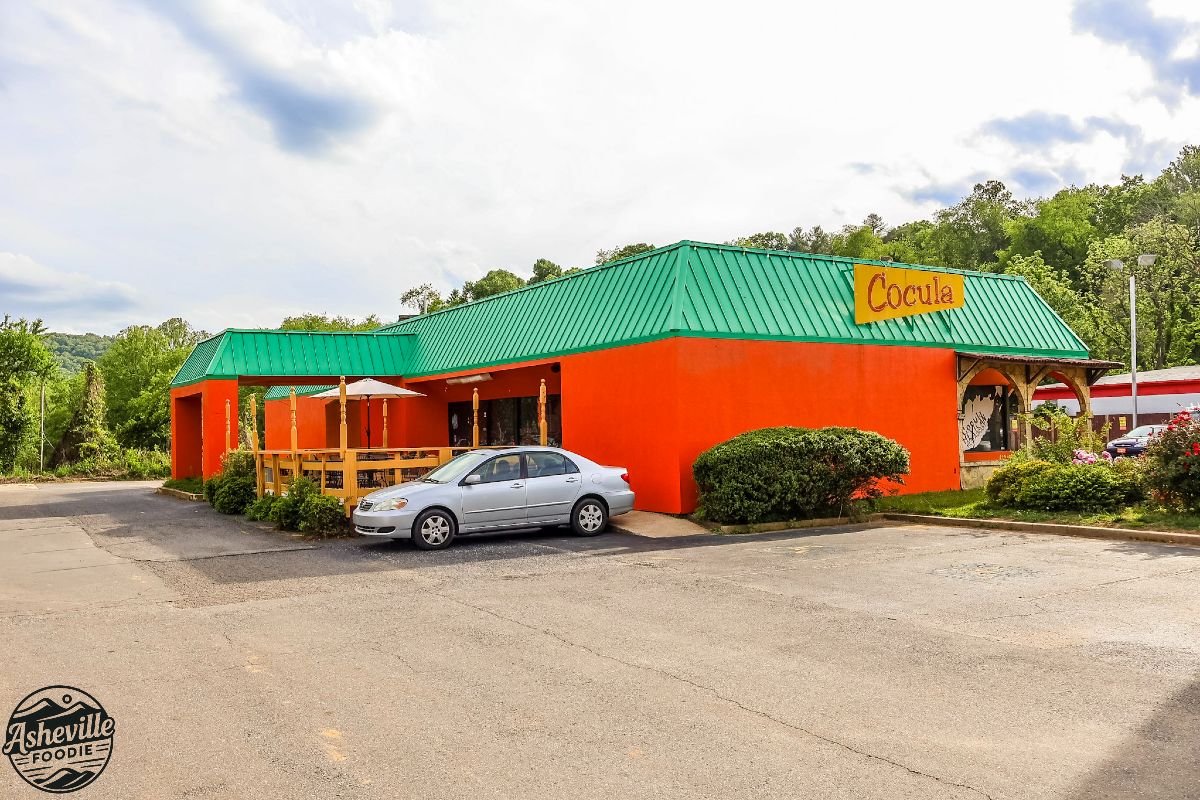
That continuity was disrupted in late 2024, when Hurricane Helene brought flooding that significantly damaged the property. Like many small, independently operated businesses, Cocula faced a sudden and severe setback. Today, the site stands at a crossroads — physically restored on the surface, but functionally uncertain.
The building itself has been cleaned up, and the exterior repainted, signaling an effort to maintain presence and dignity despite the loss. But the underlying reality remains: the property is now for sale. Any prospective buyer will face a fundamental decision — whether to attempt repairs on the existing structure or pursue a full tear-down and rebuild. Both paths come with financial and regulatory implications, particularly in a post-flood context where resilience and compliance standards may influence redevelopment costs.
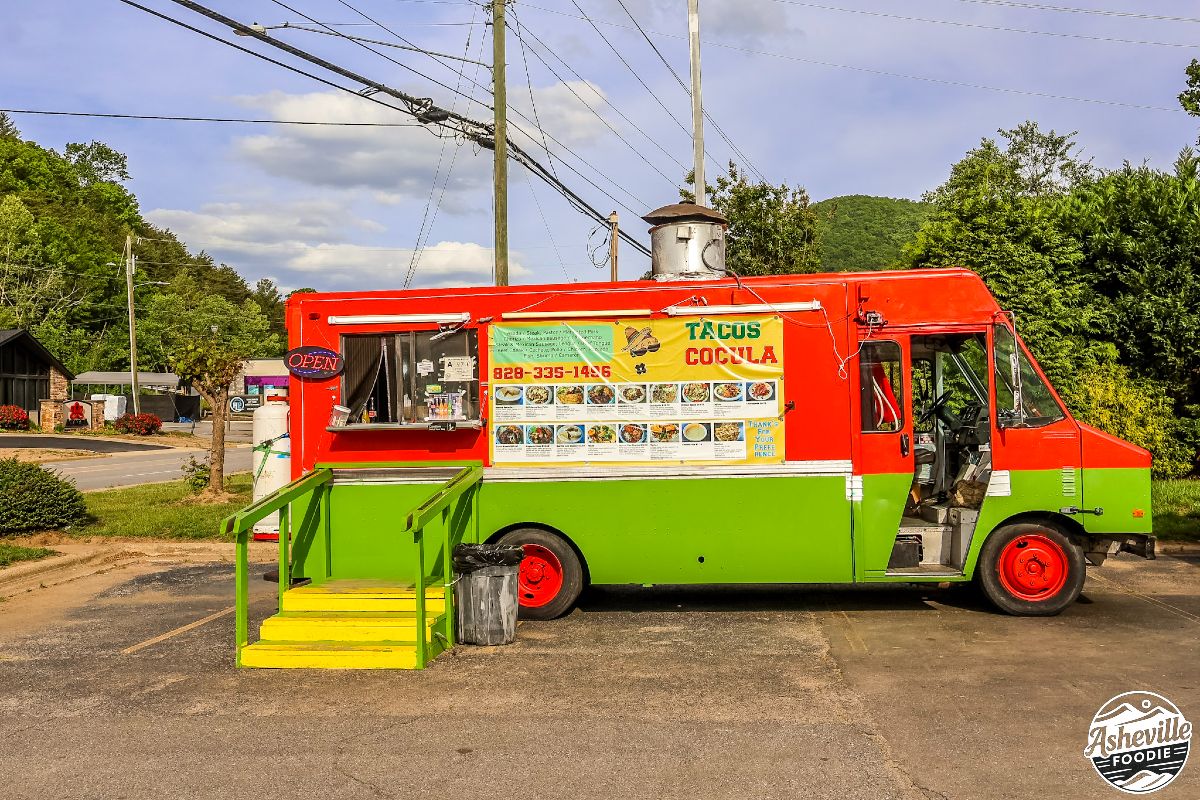
In the meantime, Cocula continues to operate — not inside its original dining room, but from a food truck stationed in the restaurant’s parking lot. The arrangement is temporary, made possible by the property owners, who have allowed Miguel and his family to remain on-site while the future of the parcel is determined. It is a practical solution, but also a visible reminder of how fragile brick-and-mortar operations can be in the face of environmental disruption.
From a commercial real estate perspective, the situation highlights several pressures currently shaping Asheville’s eastern corridor. Inventory of small-scale, locally owned restaurant spaces is limited, particularly in established neighborhoods like Oteen. When a long-standing property like Cocula becomes unavailable — even temporarily — it creates a gap that is not easily filled. Replacement options often require new construction, higher rents, or relocation into less established areas.
At the same time, redevelopment introduces its own set of variables. A full rebuild could modernize the site and potentially increase its long-term value, but it may also shift the type of tenant the space can support. Rising construction costs and financing requirements often favor higher-margin businesses or regional operators, which can gradually change the commercial mix of a neighborhood.
For Oteen and East Asheville, where a blend of local businesses has historically contributed to a quieter, more residentially integrated commercial character, these shifts matter. The loss — or transformation — of a place like Cocula is not only about one restaurant. It reflects how external events, from severe weather to insurance challenges, can accelerate changes that might otherwise unfold more slowly.
For Miguel and his family, the immediate focus is continuity. Operating from the food truck allows them to maintain their customer base and remain part of the community while exploring future options. There is hope that they will find another location within Asheville, though timing and availability remain uncertain in a competitive market.
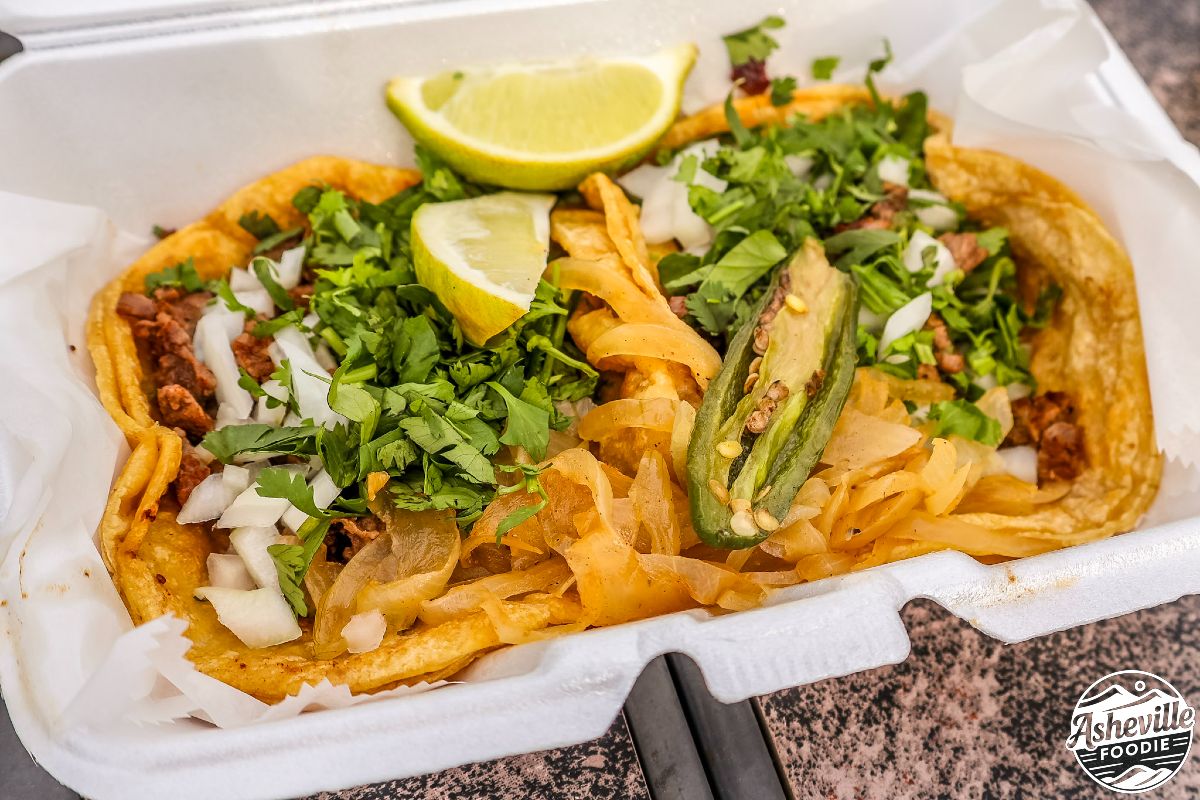
For customers, the experience has changed, but the connection persists. Regulars still stop by, now ordering from a window instead of sitting at familiar tables. The setting is different, but the loyalty built over two decades has proven durable.
As the property moves through the sales process, its next chapter will likely serve as a case study in how small commercial sites adapt after disruption. Whether it is restored, rebuilt, or repurposed, the outcome will contribute to the evolving fabric of East Asheville’s business landscape.
For now, Cocula exists in an in-between state — no longer what it was, but not yet what it will become. In that space, it continues to serve, adapt, and hold onto its place in the community, even as the ground beneath it shifts.