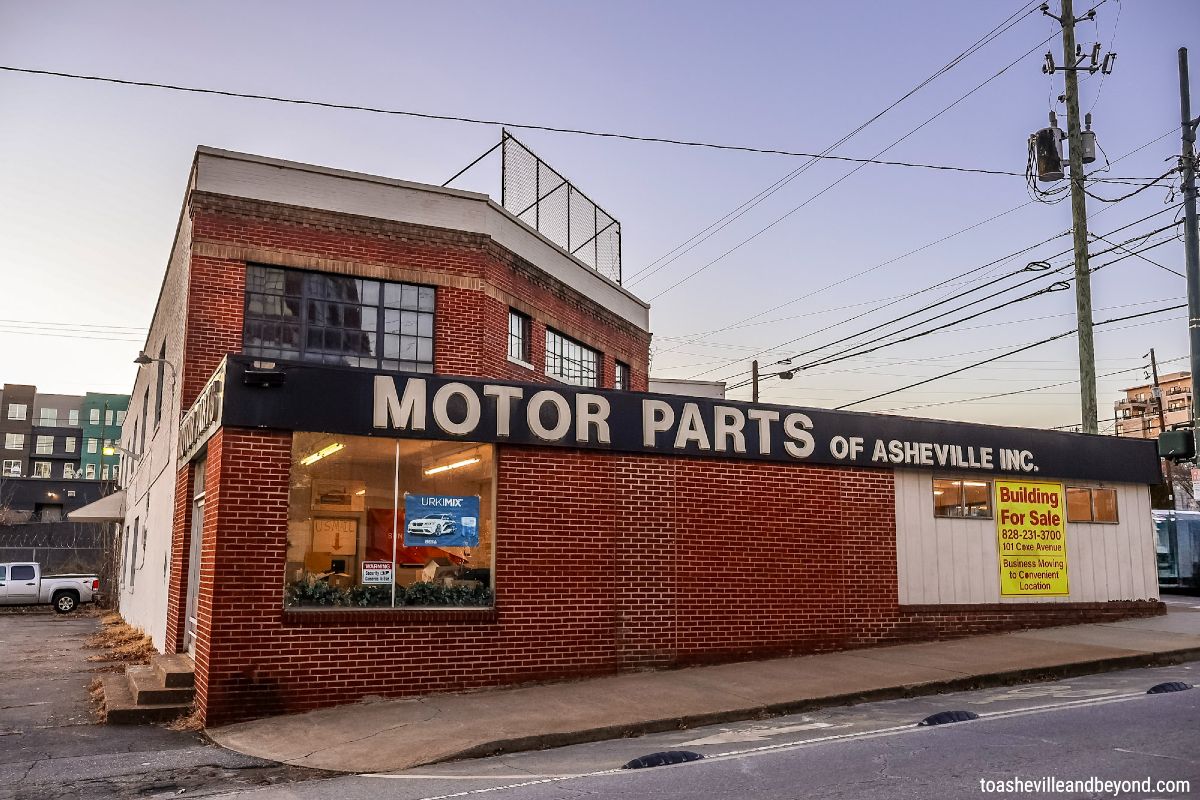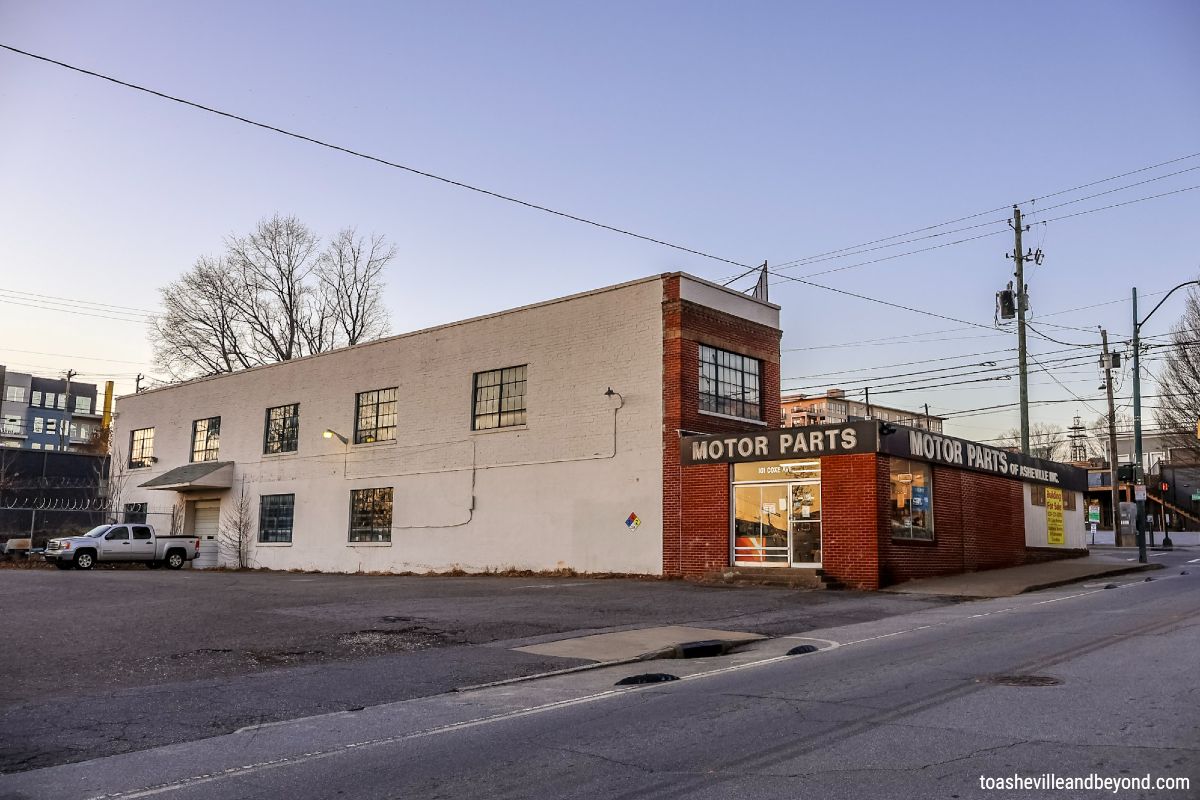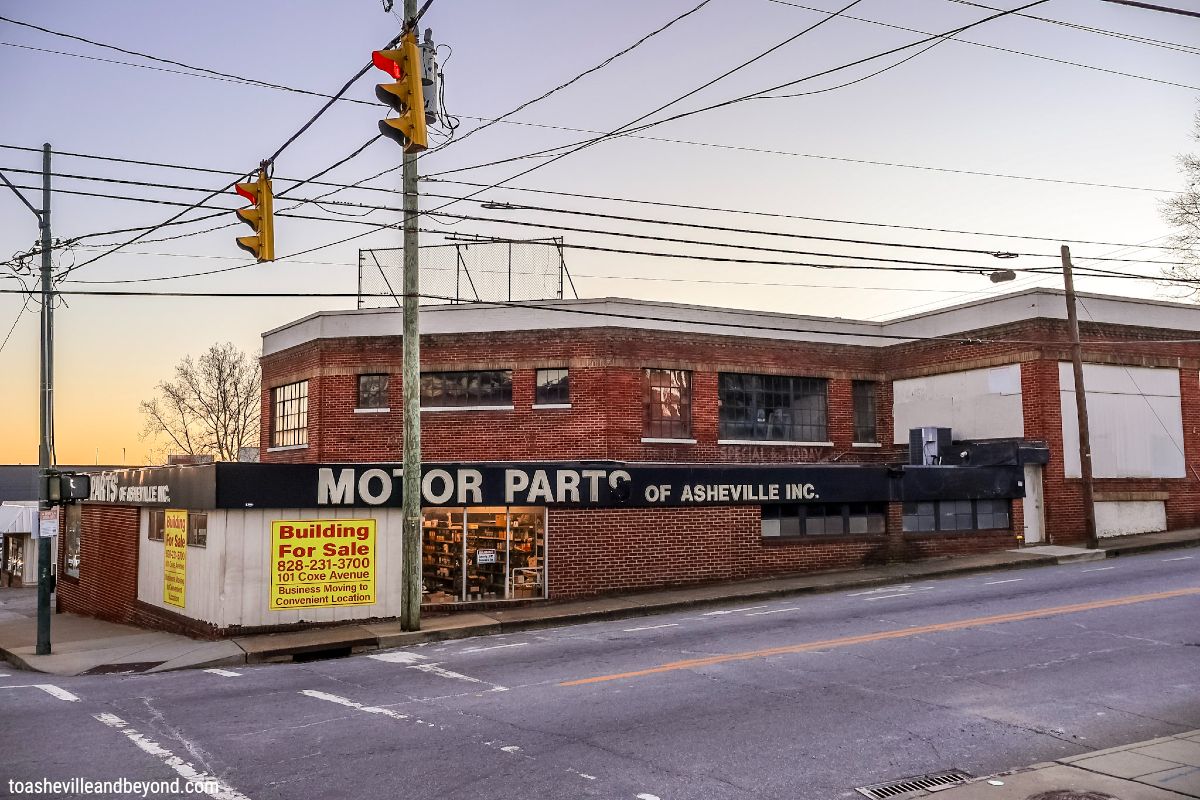
There’s a commercial property sitting right in the heart of downtown Asheville — on 101 Coxe Avenue, in the South Slope brewery district — that has been on the market for quite some time with no takers yet. This is more than a real estate listing. It’s a mirror reflecting some harsh truths about Asheville’s future, its recent struggles, and the kind of community we’ve become.
This 14,840‑square‑foot commercial building — zoned for commercial use, right where breweries, bars, restaurants, and experience‑driven hospitality once hummed day and night — now sits in limbo.
What This Building Represents
This building is prime — central location within walking distance of downtown tourism, surrounded by breweries and restaurants, and in a neighborhood once heralded as the next big thing in Asheville commercial growth. But despite that, there’s been no decisive investment here. That tells you something deeper than a moment on the market.
This property is a sign of the times.
It reflects a broader pattern in Asheville’s economy — one that’s been hit by a brutal series of setbacks:
- COVID‑19 Era Shocks — The pandemic shuttered small businesses and slashed tourism, devastating the very lifeblood of our local economy. Restaurants, breweries, and service businesses that once drew crowds every night suddenly faced existential threats.
- Hurricane Helene’s Devastation — In late 2024, Hurricane Helene pummeled Asheville, flooding major cultural and tourism districts like the River Arts District, wiping out shops, galleries, studios, and brewery infrastructure. Many businesses lost buildings and inventory, and some owners are still grappling with insurance claims, staff shortages, and uncertain futures.
- Eroding Brewery Anchor — Breweries were once one of Asheville’s most profitable cultural experiences — contributing hundreds of millions to the local economy and providing thousands of jobs. But with closures and ongoing recovery, that backbone is tenuous at best.
- Disconnected Political Leadership — Much of Asheville’s political leadership lacks firsthand experience with true, ground-level community building. Instead of serving as bridge builders, too many have taken sides, reinforced divisions, and made partial decisions that leave entire sections of the City and County without meaningful representation — or hope. When policy is driven by ideology instead of empathy and equity, the result is a growing gap between those in power and those most affected by their choices.