Healthcare in Asheville and WNC shouldn’t feel like a bet. But lately? It sure feels like one. The control of our hospitals — and with it, the fate of our lives, our families, our community — is changing hands… and maybe not for the better.
🏥 A Brief History — What We Once Had
- St. Joseph’s Hospital, founded by Sisters of Mercy in 1900 started as a tuberculosis sanitarium and eventually became a 338‑bed hospital. Its mission was simple: care for people, especially the most vulnerable.
- In 1998, St. Joseph’s was merged into Mission Health (then known as Memorial Mission Medical Center), strengthening what many saw as Asheville’s nonprofit, community‑centered hospital network.
For decades, this system represented hope — a place where sick people received care without worrying if the bottom line mattered more than their lives.
💔 The Switch: Profit vs. Patients
Everything changed in 2019, when Mission Health was sold to HCA Healthcare, a massive for-profit hospital conglomerate.
The result? A shift from “care first” to “profit first.” According to a recent review, after the acquisition, there’s been no credible evidence that HCA has improved healthcare quality for WNC — despite promises. In fact, local governments recently settled an antitrust lawsuit against HCA/Mission for predatory practices and monopolistic control over regional care.
Among the concerns: staffing cuts, fewer emergency and oncology services, slower care, and less charity care — even for those who need it most.
🌄 The New Contenders — More Players, Different Stakes
- AdventHealth (with plans for a new 222‑bed hospital in Weaverville) is pushing to build regional capacity. But as of 2025, their expansion has been mired in legal challenges from HCA/Mission, dragging on plans and delaying access.
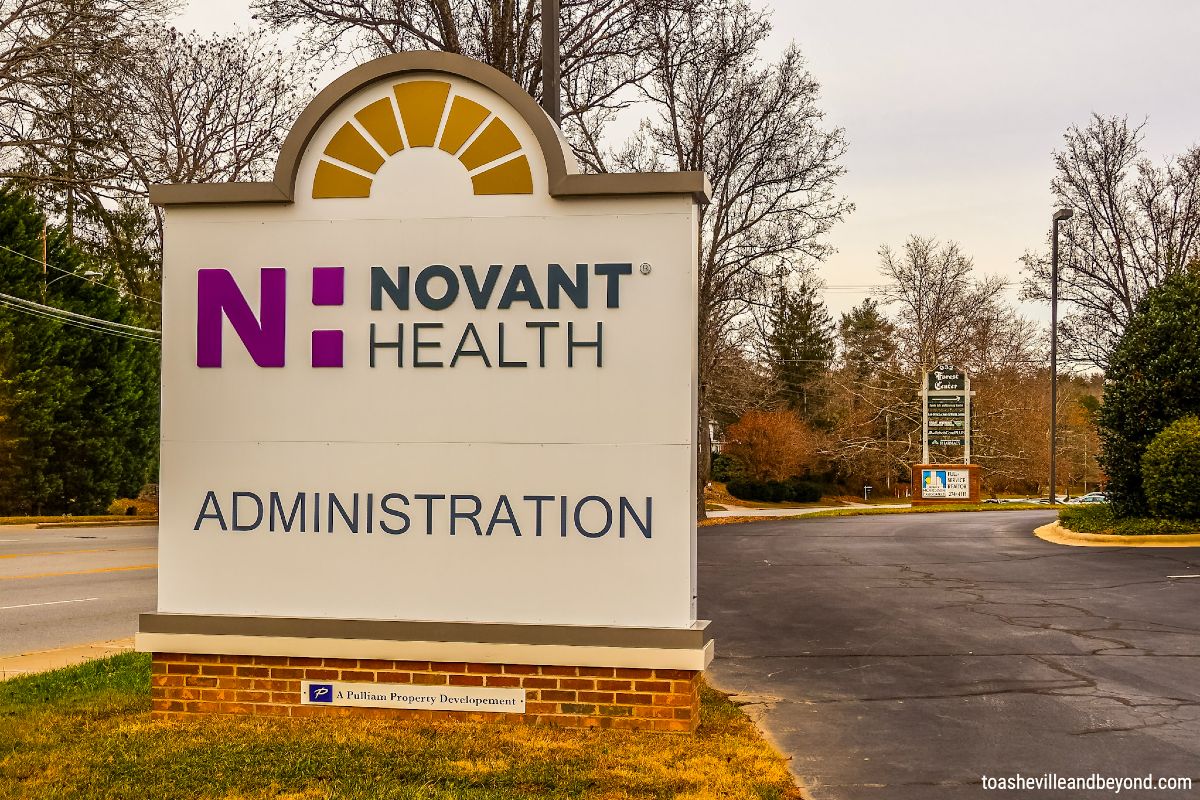
- Meanwhile Novant Health — which attempted to buy Mission Health in 2019 — is opening facilities closer to Asheville, offering a not-for-profit alternative. Novant’s history dates back to 1997, and the system carries a reputation for broader network care across the Southeast.
On paper, this competition could mean better access, more options, and maybe even better care. But in reality, it’s often turning into a game of legal battles, corporate strategy, and price-tag juggling — where patients may end up losing.
🚨 Why This Matters — Real Stories, Real Consequences
We live in a region where healthcare isn’t just a service — it’s a necessity. It’s neighbors calling ambulances, parents waiting in ERs late at night, folks choosing between medicine and rent. When healthcare becomes about profits over people, the costs are counted in lives, not dollars.
Our community is forced to gamble: which hospital will actually care when minutes matter? Which system will refuse or delay treatment because it doesn’t maximize profit?
When basic health access becomes unstable — that’s not just healthcare politics. That’s a threat to our lives.
🗣 What Can We Do — How We Fight Back
- Demand transparency and accountability — We need publicly enforced standards, not boardroom deals behind closed doors. After all, health isn’t a commodity — it’s a human right.
- Support non-profit and community‑oriented care — Facilities like AdventHealth or Novant (if they deliver on promises) deserve community backing.
- Stay informed — and vocal — Watch the decisions, follow the lawsuits, question the changes. When we’re aware, we’re empowered.
- Value our rural communities — WNC isn’t just Asheville. Our neighbors in small towns deserve care too. Health should not be a geographical privilege.
💡 Final Thought: Health Is Not a Gamble — It’s a Right
Some call it “business as usual.” We call it what it is: a fight. A fight for dignity, for fairness, for life.
If there was ever a time for Asheville and WNC to rise together — to speak up together — it’s now. Because our health, our children, our futures — they are not up for corporate bids.
Stay informed. Demand better. Protect what matters.
📣 Share This Post if You Care About WNC Health
Because when we speak, when we unite — we’re stronger than any corporate contract.

